2020 Editions of Healthcare Hygiene magazine
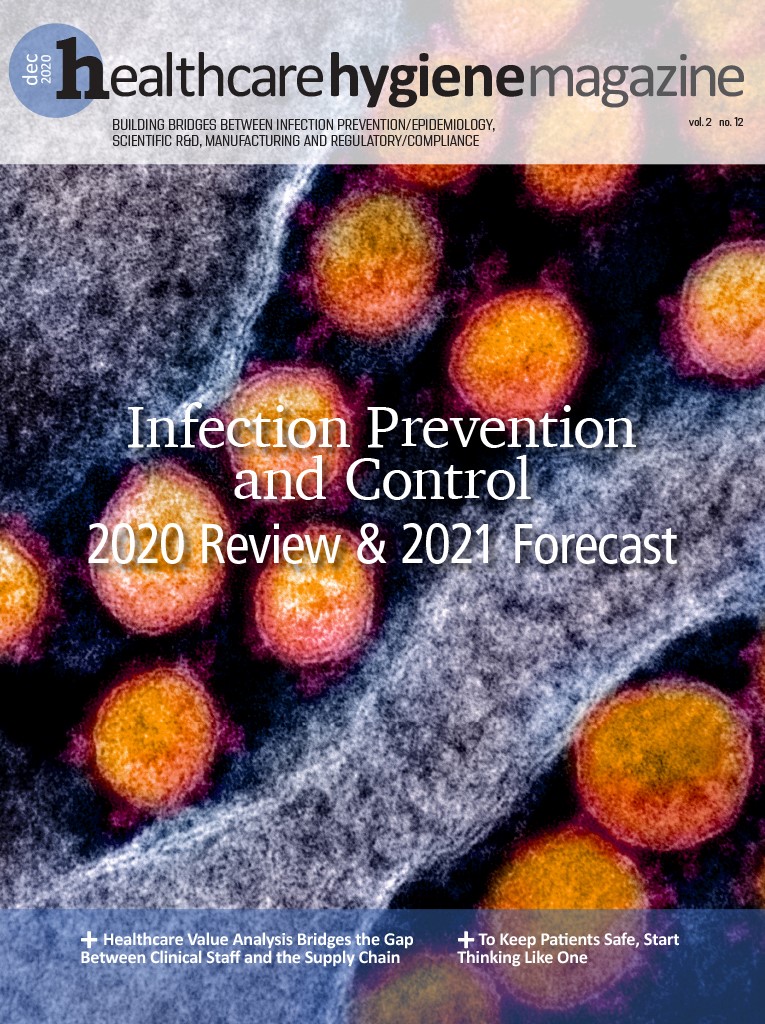
Explore the December 2020 Edition
Healthcare Hygiene magazine reviews 2020 and experts share their insights around key IPC imperatives for 2021.
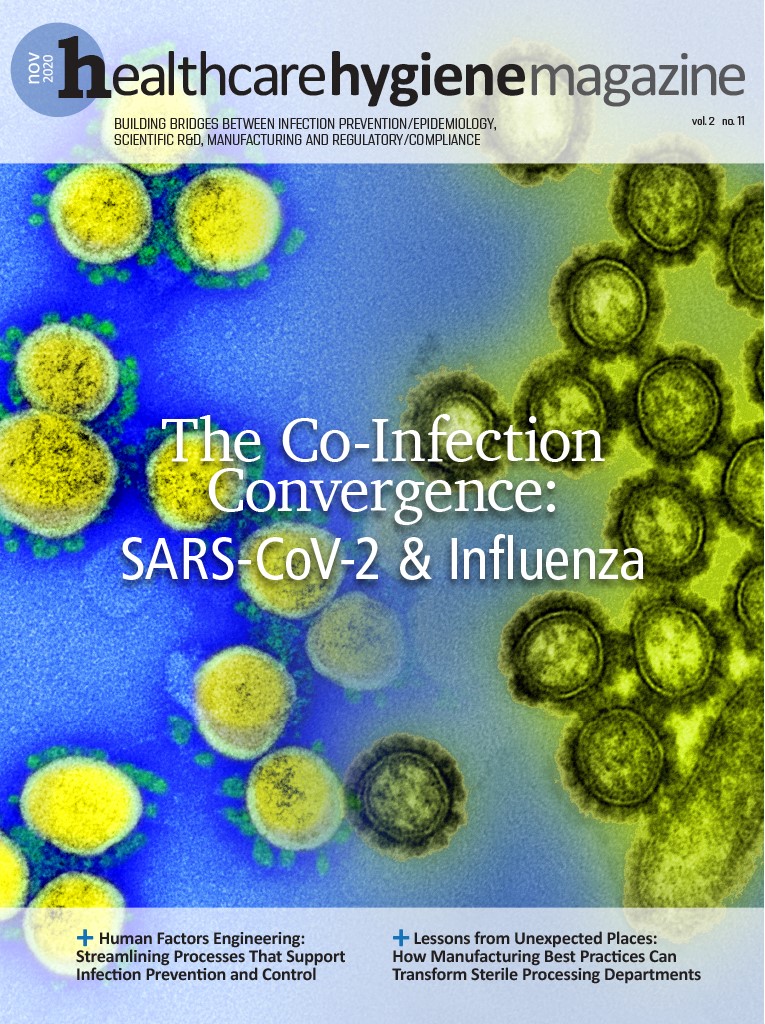
Explore the November 2020 Edition
Comparisons between SARS-CoV-2 and the influenza virus were drawn in the early days of the outbreak and subsequent pandemic, and with flu season upon us, U.S. public health experts are pondering what the winter season in the Northern Hemisphere will bring and if healthcare institutions are prepared.
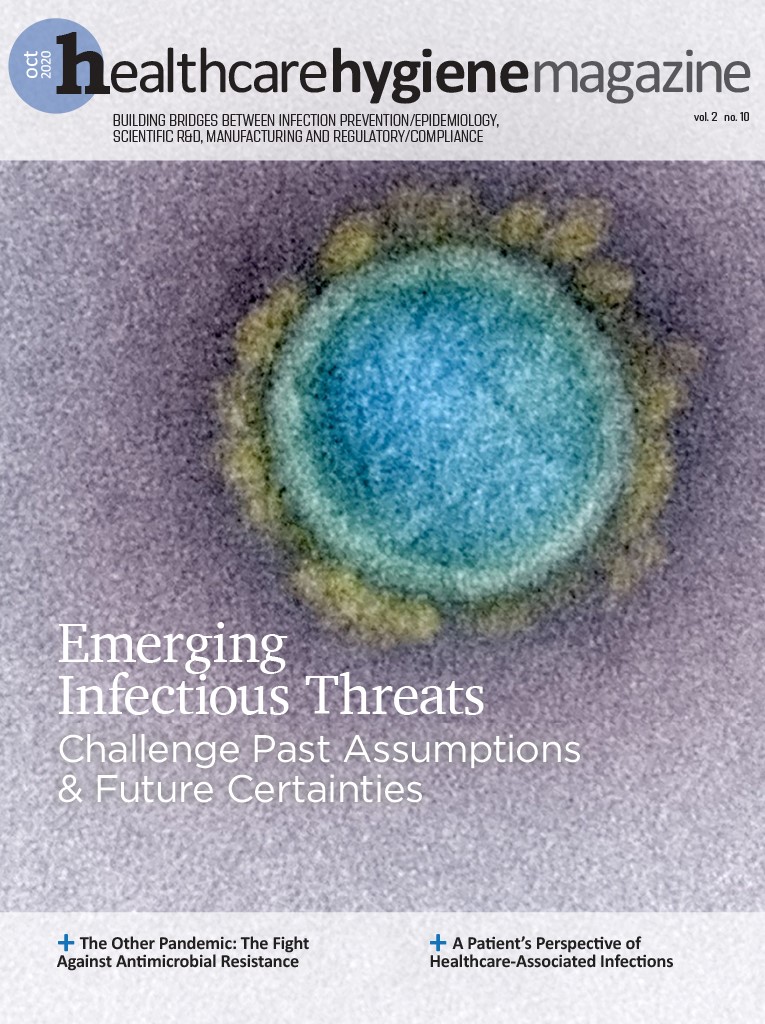
Explore the October 2020 Edition
The world has grappled with the double-edged sword of a pandemic and the potential of re-emergence of established diseases, made more problematic by the beginning of influenza season.
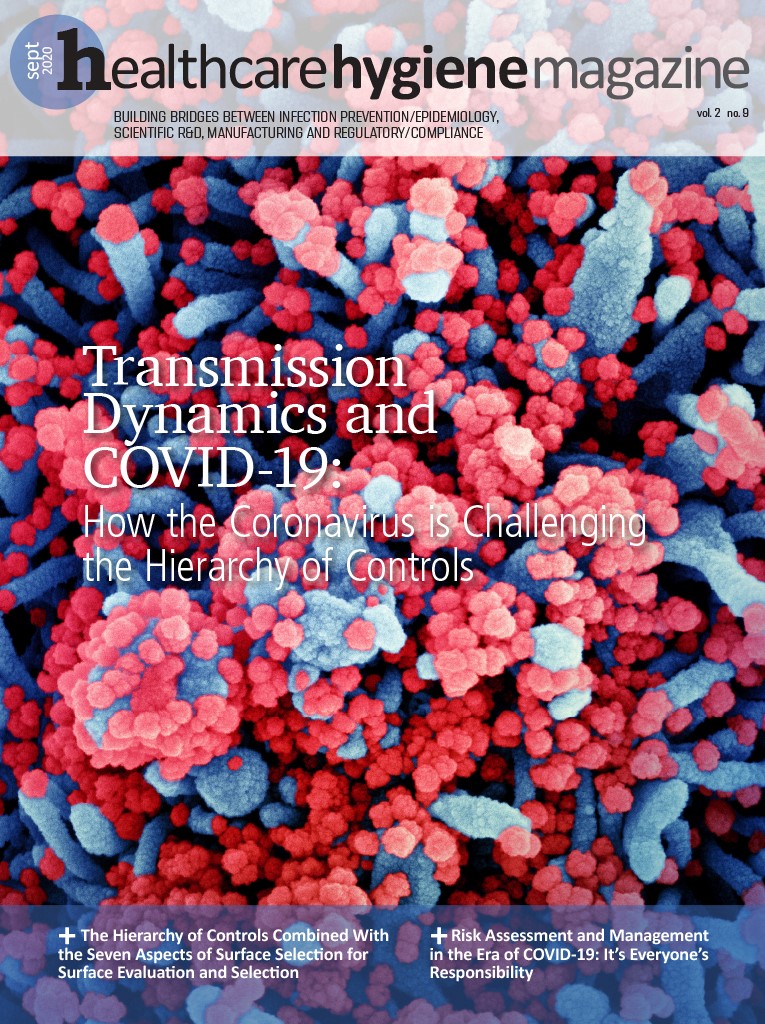
Explore the September 2020 Edition
As the fight against SARS-CoV-2/COVID-19 approaches nearly three-quarters of a year, public health experts remind us to rigorously uphold the evidence-based principles and practices of infection prevention and control (IP&C) to mitigate risk of acquisition and transmission.
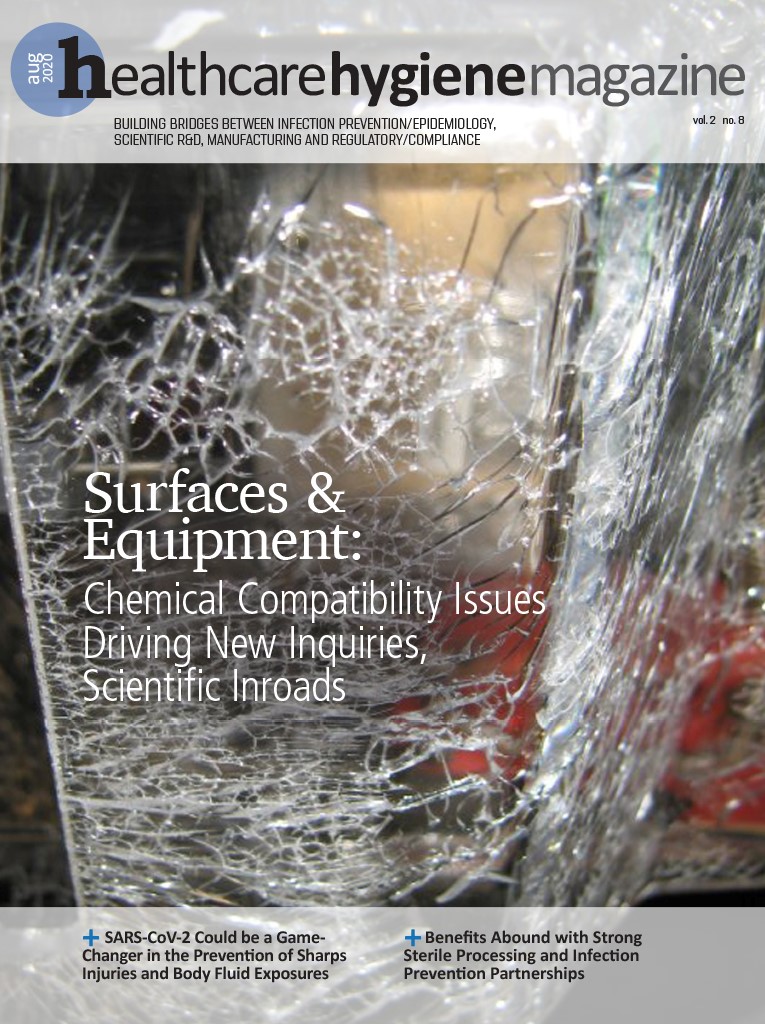
Explore the August 2020 Edition
Surfaces and medical equipment found in the healthcare environment are made up of many different types of metals, plastics and polymers. The compatibility of surface materials with chemical cleaning agents and disinfectants in the healthcare environment is a growing area of research and requires education of healthcare professionals and key stakeholders around the associated challenges and opportunities.
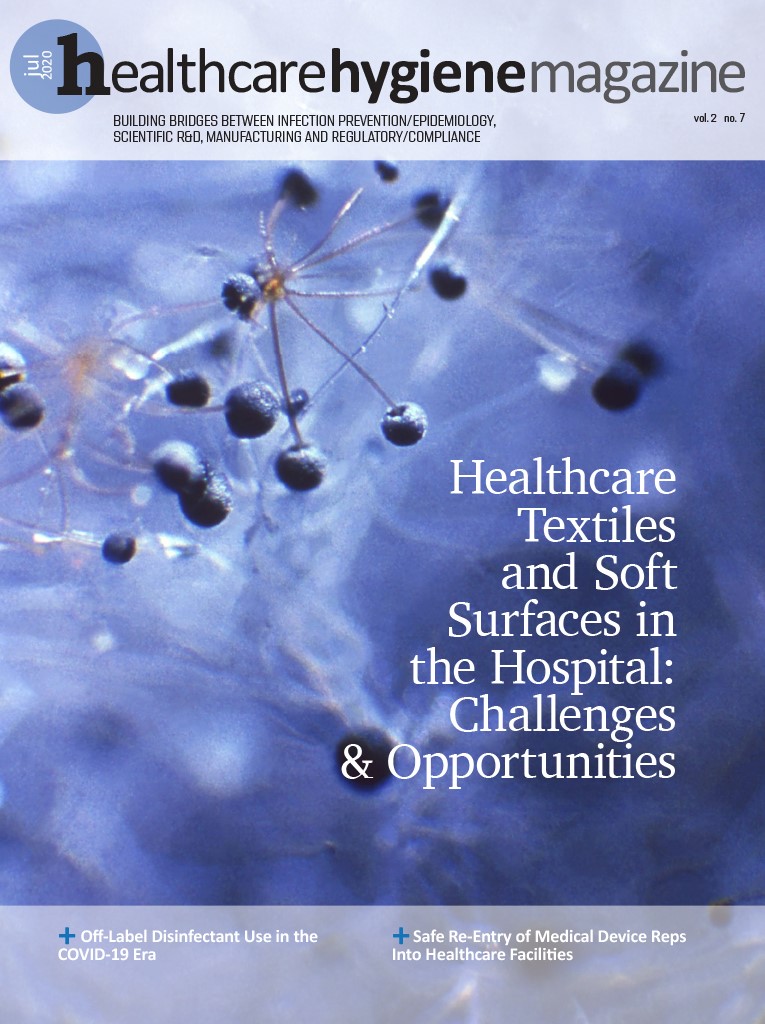
Explore the July 2020 Edition
Hygienically clean healthcare fabrics and textiles are factoring into the risk mitigation process in healthcare institutions; however, more awareness is needed among infection preventionists and other healthcare stakeholders around strategies to eliminate cross-contamination and transmission of infectious organisms.
Explore the June 2020 Edition
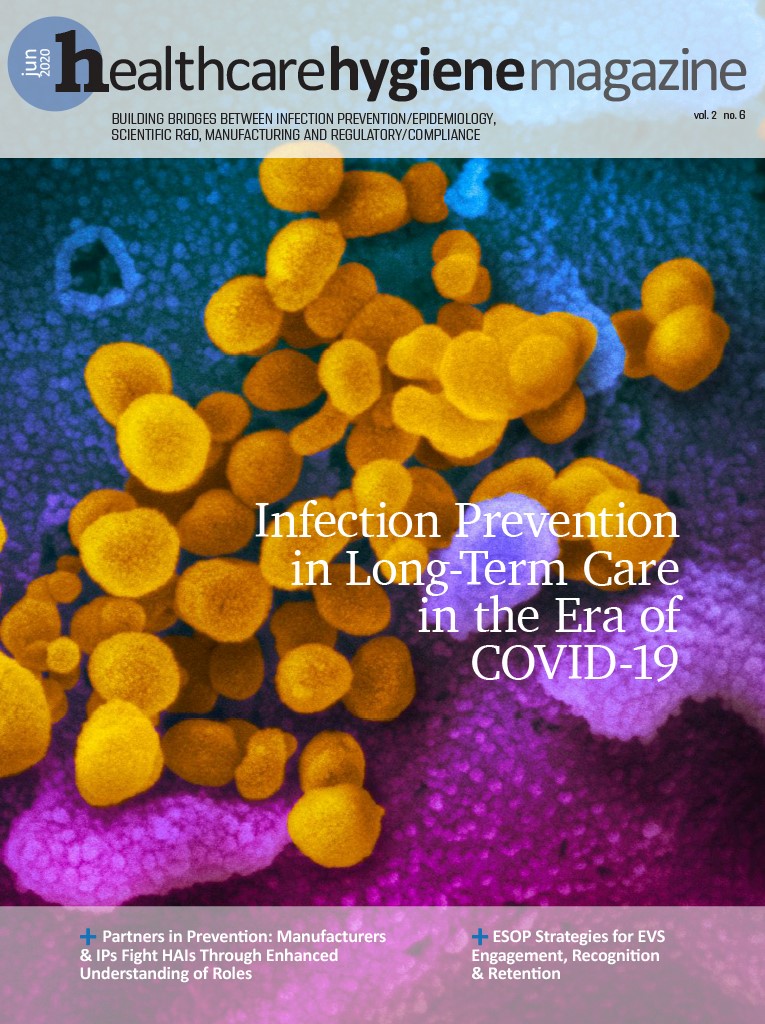
COVID-19 has proven to be particularly fatal for the elderly population, threatening the health and safety of the nation’s approximately 1.4 million nursing home residents who are often in declining health and living in close proximity to one another. An ongoing count by The Associated Press has found that outbreaks in long-term care facilities (LTCFs) have killed more than 30,000.
Explore the May 2020 Edition
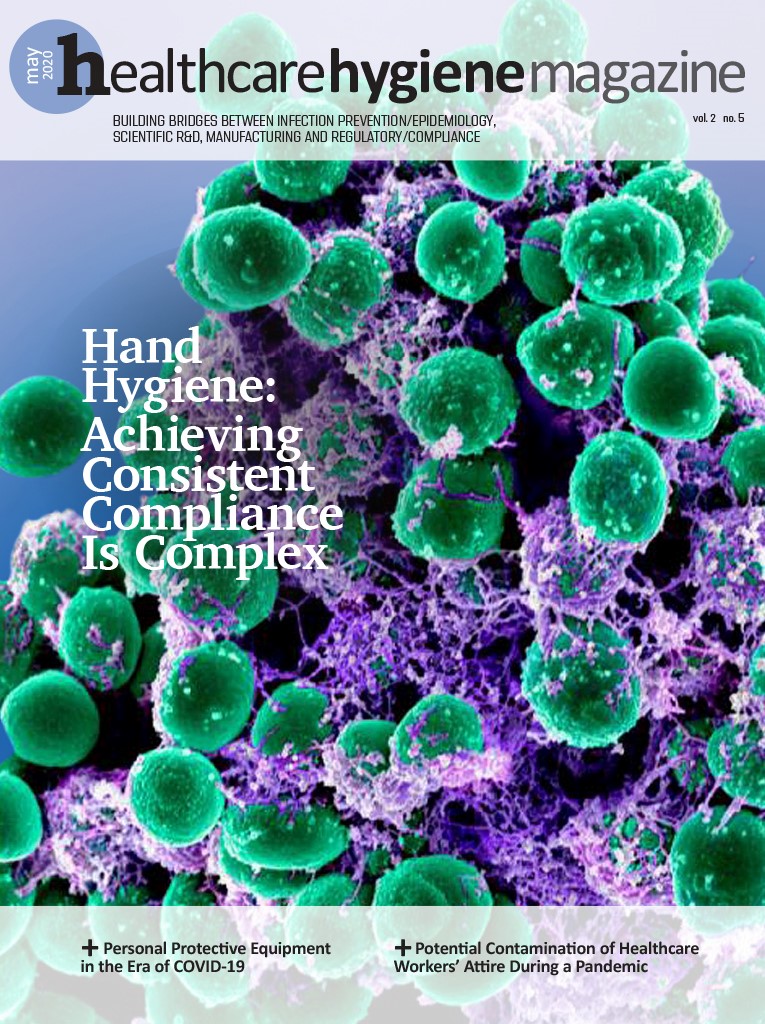
Over the last decade environmental microbial contamination has led to increased healthcare associated infections. The presence of multi drug resistant organisms contributes to the microbial load in the patient environment. Improved environmental hygiene through cleaning, disinfection and sterilization is essential to reducing the bio burden in the environment. The other key intervention for reducing the bio burden and preventing transmission to the patient is hand hygiene.
Explore the April 2020 Edition
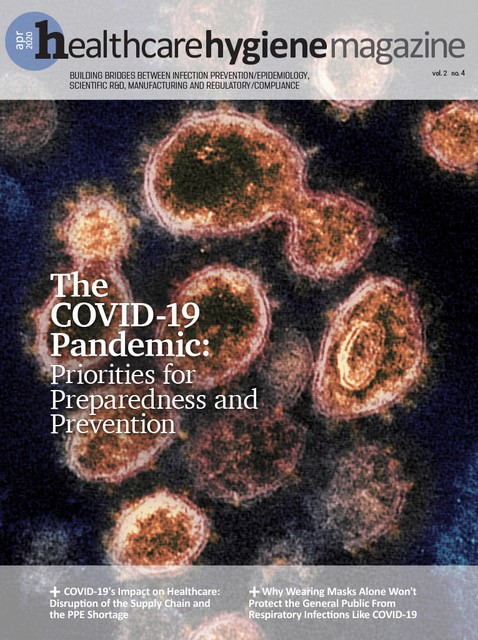
The superpower status of the United States may not be reflected in its historic suboptimal levels of readiness and preparedness, which have not been addressed despite several additional outbreaks since the 2003 SARs pandemic – the so-called ‘dress rehearsal’ for the current COVID-19 pandemic.
Explore the March 2020 Edition
Twenty years ago, the federal Needlestick Safety & Prevention Act (NSPA) of 2000 was signed into law with the hope that it could bring new awareness to the dangers of occupational exposures and percutaneous injuries in the healthcare environment.
Explore the February 2020 Edition
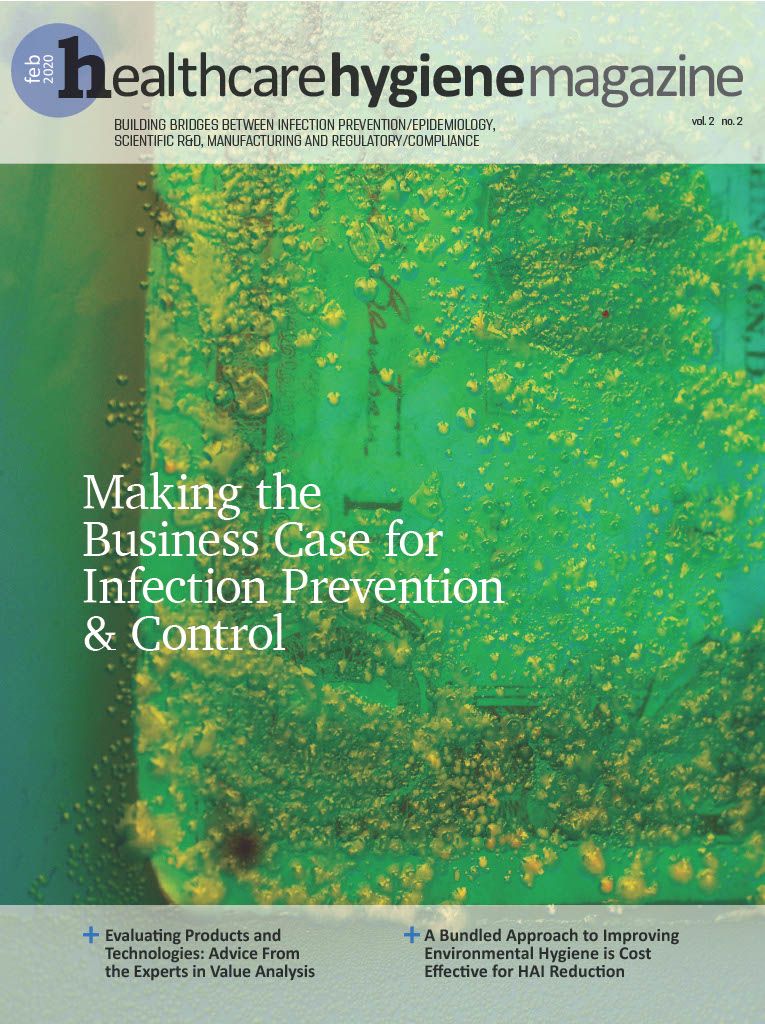
Infection preventionists and stakeholders in patient safety, quality, value analysis and risk management must join forces to develop a compelling business case to institution leadership to secure the ongoing viability of their IP&C programs. Because infection control programs are often seen as cost centers and not as revenue generators, demonstrating value to administrators is increasingly important as healthcare executives are faced with the need to support many competing initiatives with limited resources.
Explore the January 2020 Edition
A division of labor in the hospital that is often fuzzy is that of cleaning and disinfection, particularly when it comes to electronic patient-care equipment and surfaces that are not subjected to a clear policy and procedure outlined by the healthcare institution in its environmental hygiene program.